
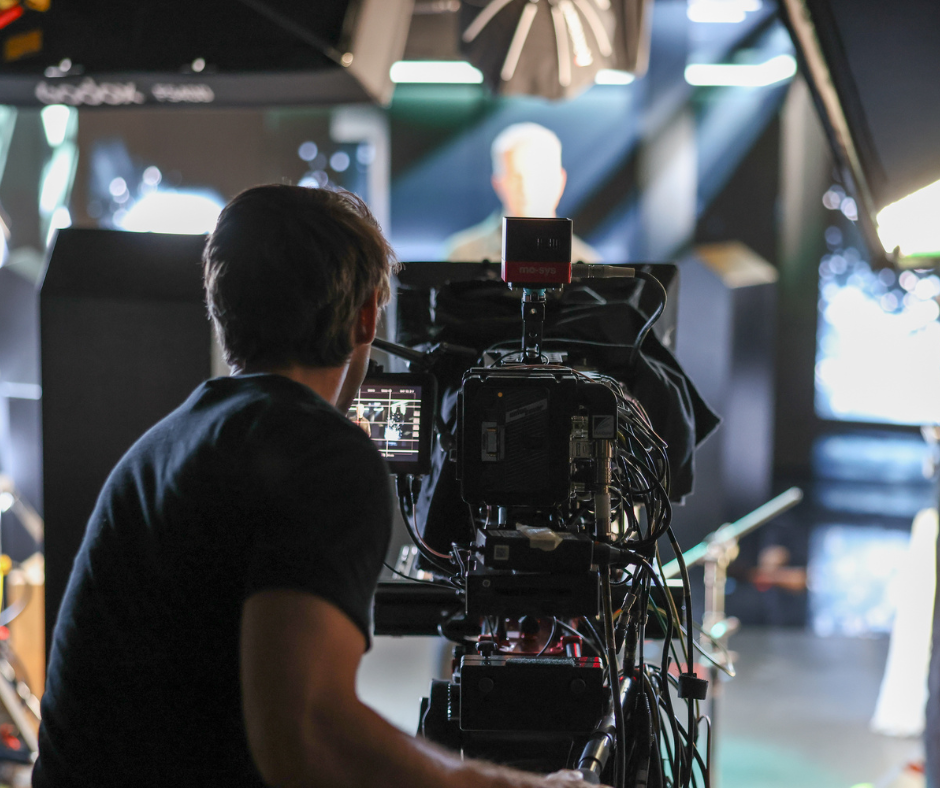
Most teams don't start out looking for a production partner.
They start by figuring things out on their own, which is usually the right instinct. When an idea is still forming and the scope isn't fully clear, it makes sense to explore what's possible internally.
As a project grows, more people get involved, expectations change, and what started as a straightforward idea suddenly has more moving parts than anyone anticipated.
At some point, someone asks: Do we need to bring in a production team for this?
There's a common assumption that professional production support is reserved for large events, major campaigns, or projects with equally large budgets. What if we told you that's not necessarily the case?
A small executive interview might only need a camera operator and some lighting support, while a company town hall could require a full technical crew to manage everything from livestreaming to accessibility.
The beauty of production is that it can scale. Sometimes you need one experienced person to fill a gap on your team. Other times, you need a crew of 50+ people working together to pull something off. There's a whole lot of room in between, and the right production partner should be able to help you figure out what makes sense.
The question isn't how big your project is. It's what the project requires to be successful.
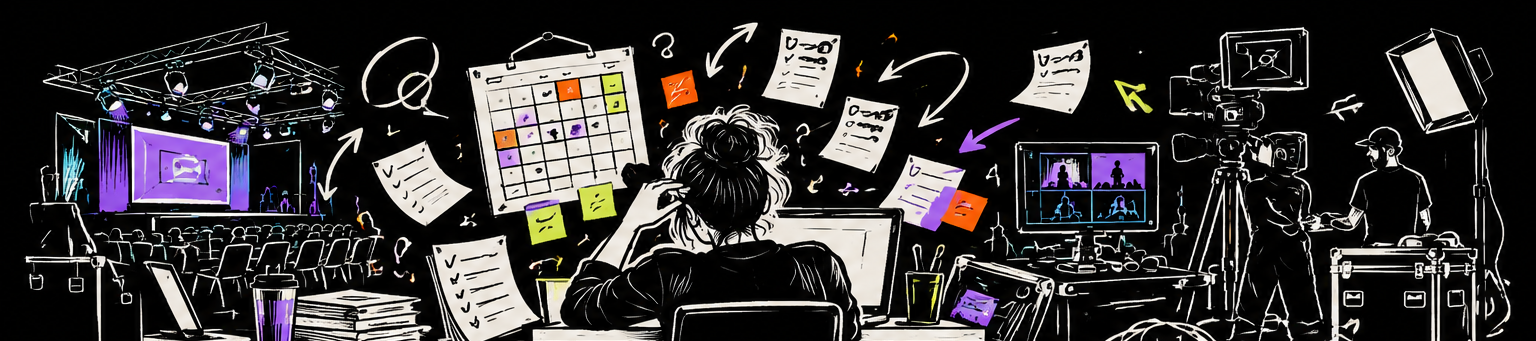
Sometimes the need for production support is pretty obvious, especially when you're juggling multiple speakers, locations, tight timelines, or a mix of live and recorded content. As the technical requirements grow, so does the amount of coordination needed to keep everything moving.
Of course, complexity isn't always the deciding factor. Think about a product launch your team has spent months preparing for, an executive keynote being broadcast to thousands of employees, or a brand story that needs to make a complicated subject easy to understand. These are moments where getting the details right really matters, regardless of how big the production is.
There's also something to be said for recognizing when your internal team already has enough on its plate. Marketing and communications teams are often managing the strategy, messaging, creative direction, and overall success of a project. Adding production logistics, equipment coordination, crew management, and technical troubleshooting to that list can stretch even the most capable teams.
Bringing in outside support doesn't mean your team can't do the work. It simply means their time and expertise might be better spent elsewhere.
When people think about production companies, they usually picture cameras, lighting, equipment, and crews. Those are all part of the job, of course, but there's a lot more that goes into a successful production than the gear you see on set.
A good production partner brings experience that helps connect the creative vision with what's actually possible. They know which questions to ask early, what details are easy to overlook, and how decisions made during planning can affect everything that comes afterward. Having that perspective can save a lot of time, unnecessary expenses, and headaches along the way.
Sometimes the most valuable thing a production partner can tell you is what you don't need.
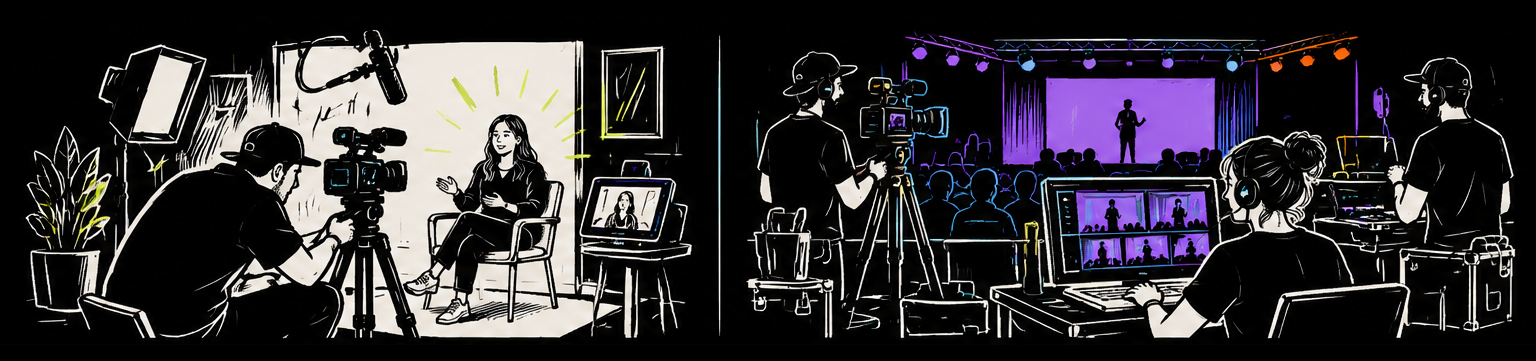
Sometimes a project needs a production partner who can help shape the concept, develop the plan, manage the logistics, and oversee execution from beginning to end. Other times, your internal team already has most of that covered and just needs a little extra support.
Maybe you have the creative direction figured out but need an experienced camera operator for a shoot, additional crew for a busy event week, or technical support to make sure a livestream goes smoothly.
There's no reason to overcomplicate something that doesn't need to be complicated.
The right production support should fit the needs of the project, whether that's a single crew member, a specialized technical team, or a full-scale production operation. Understanding the difference can save time, money, and unnecessary headaches.
Earlier than you might think.
One of the challenges production teams regularly encounter is being brought into a project after many of the major decisions have already been made. The venue is booked, the budget is set, and the creative direction is approved before anyone has really considered what it will take to produce everything.
Sometimes that works out just fine, but other times it creates technical challenges, unexpected costs, or limitations that could have been avoided with an earlier conversation.
Getting production involved during the planning process gives everyone more room to explore options, work through potential challenges, and make decisions that support the overall goal. That doesn't necessarily mean hiring a crew right away. It might just mean talking through an idea with someone who understands what it will take to bring it to life.
You don't need to have everything figured out before reaching out.
A good production partner doesn't expect you to show up with a fully developed plan. Part of their job is helping you build one.
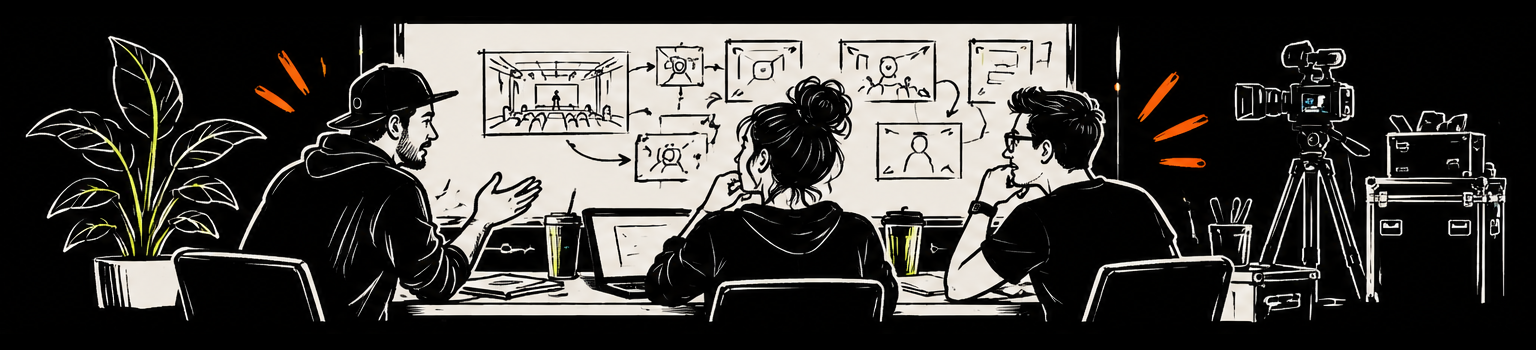
Not every video, event, or creative idea requires outside production support. Your internal team might have everything covered, need a few extra hands, or be looking for a partner to help bring something bigger to life.
At Mighty, we work with teams at all different stages of that process, and we know every project comes with its own set of needs. Whether you have a fully developed plan or just an idea you're exploring, we're always happy to talk through what's possible.
Sometimes figuring out what you need is the best place to start.



