
There's a concept in accessibility called the curb cut effect.
It gets its name from the ramps built into sidewalks to give wheelchair users a way to safely move between the sidewalk and street. Today, those same curb cuts are used by parents pushing strollers, travelers pulling suitcases, delivery workers moving carts, cyclists and plenty of other people.
A solution designed to remove a barrier for one group ended up making the experience better for many more.
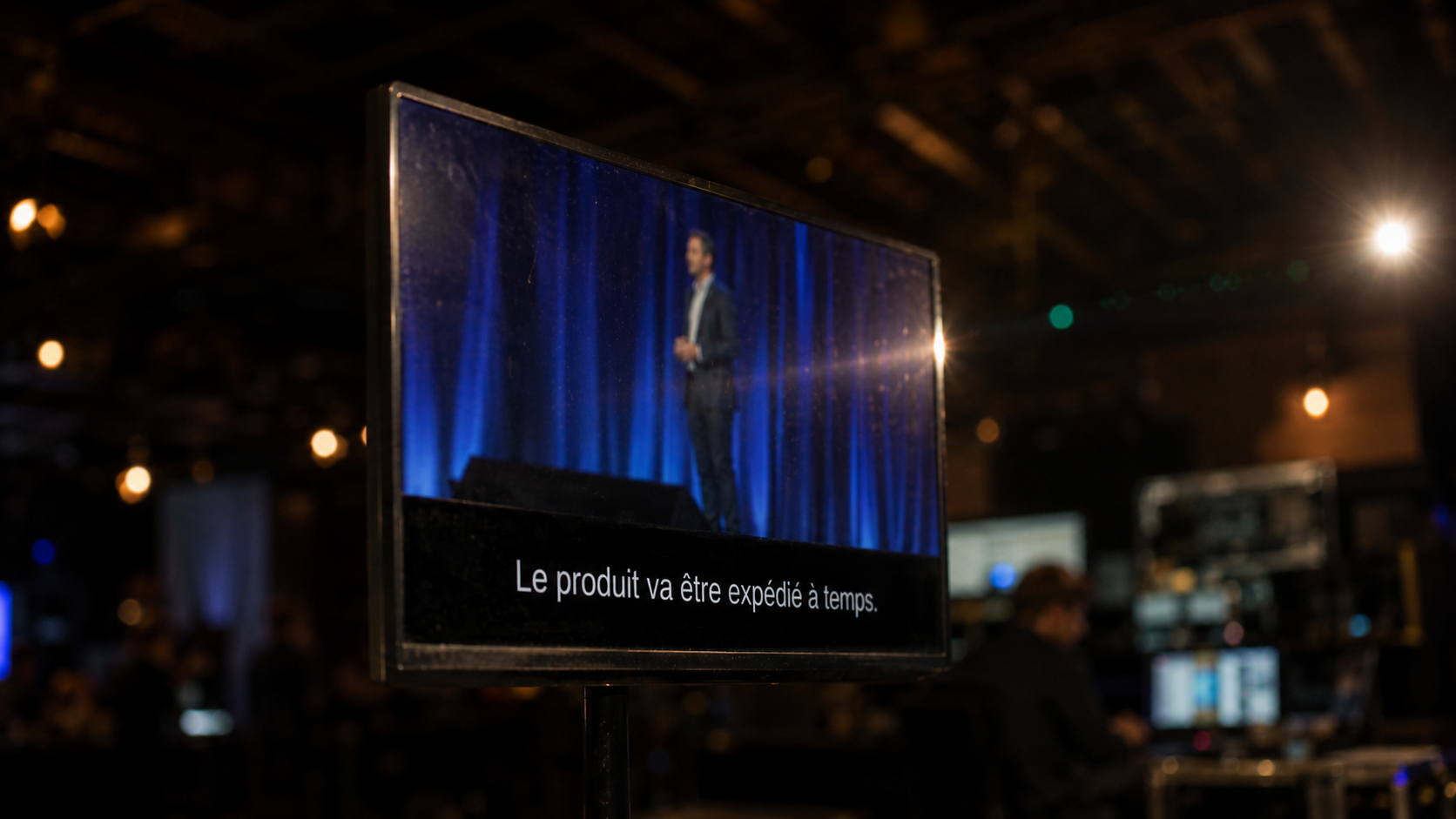
Captions while watching a video with the sound off. Voice-to-text when your hands are full. Both are examples of accessible features that were designed with a specific need in mind that became useful to a much wider audience.
Captions are one of the quickest examples to think of.
For someone who is d/Deaf or hard of hearing, captions provide access to information they may otherwise miss.
That may seem obvious, but think about how often captions are used outside of that scenario. Maybe you're watching a video in an airport and can't hear it. Maybe you're scrolling through social media without sound. Maybe you're on a Teams call and captions help you follow the conversation.
Accessible content doesn't only benefit people with disabilities.
Features created for accessibility are often useful to a much larger audience.
The curb cut effect doesn't mean accessibility is one-size-fits-all. It's actually the exact opposite. There is no single way to experience a disability, and there isn't one accessibility feature that works for everyone.
A person who is d/Deaf may prefer captions or sign language. Someone who is blind or has low vision may rely on audio description. A person who is DeafBlind may consume a descriptive transcript through a refreshable Braille display.
The goal is to give your audience options and more control over how they experience your content. And sometimes, those options become useful in ways you never anticipated.
The curb cut effect can show up across content, websites, presentations, social media, live events and internal communications.
Alt text helps someone using a screen reader understand an image. Clear visual design can make information easier to process. Captions can make a presentation easier to follow. Thoughtful event design can make it easier for attendees to see, hear, navigate and participate.
Even a video without dialogue may need accessibility considerations. If important information is being communicated visually, audio description or a descriptive transcript can provide another way for someone to receive it. If information is communicated only through sound, a visual alternative may be needed.
It all comes back to this simple question: How else can someone experience this information?
Accessibility is most effective when it's part of the plan from the beginning.
Can accessibility services can be added at the end of a production? Of course. But that doesn't mean they should be.
Our team has seen firsthand how waiting until the end can create more friction, increase costs and make it harder to achieve the experience everyone originally envisioned. When accessibility is considered during pre-production, the creative and accessibility teams can work together from the start.
That can mean thinking about caption placement while designing graphics. Planning where ASL interpreters will be positioned before an event. Considering audio description while a video is still being edited.
This way, accessibility becomes part of the production this way rather than something stapled onto it later.
Accessibility is important because people with disabilities deserve equal access to content and experiences. That reason stands on its own.
The curb cut effect simply shows us how far thoughtful accessibility can reach. When we remove barriers, the benefits don't necessarily stop with the people those changes were originally designed for.
A different way to watch. A different way to listen. A different way to navigate. All ways to participate.
Designing for access simply leads to better design overall – and that's something everyone can benefit from.



